


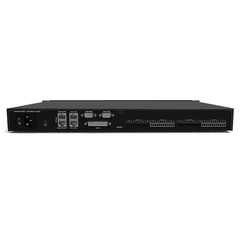


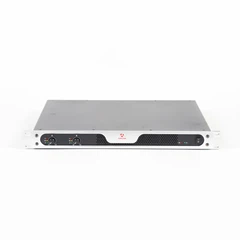



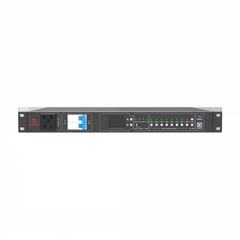
Here are a few key points to keep in mind when choosing an audio processor:
Define your needs: First, you need to be clear about your needs. There are various types and functions of audio processors, including active speakers, passive speakers, digital audio processors, analog audio processors, and more. If you need to process multiple audio signals, or need to adjust the volume, equalization, compression, and other parameters of your audio, then a digital audio processor may be more suitable for you. If you're more concerned about sound quality and reproduction, then an analog audio processor might be more suitable for you.
Consider your budget: When choosing the right audio processor, you need to consider your budget. Some high-end audio processors are expensive, but they are able to provide better sound and more stable performance. Therefore, you need to weigh it according to your budget when choosing.
Sound quality : Sound quality is one of the most important measurements. A good audio processor should be able to provide high-fidelity sound quality, whether it is the clarity of the audio, the reproduction of details, or the performance of dynamic range should be as close as possible to the effect of the original recording. Therefore, consumers should give priority to the digital signal processing (DSP) technology used by the audio processor, as well as its audio resolution, noise immunity and other indicators when choosing.
Ease of use: Especially for non-expert users, the audio processor's interface should be simple and intuitive, and the adjustment knobs and buttons should be properly designed. Many modern audio processors are equipped with LCD displays, Bluetooth control, and remote control features that undoubtedly enhance the user experience.
Durability and brand reputation: A good brand will usually provide more stable performance and a longer service life, while also doing a better job in after-sales service. When choosing, consumers can refer to the evaluations of major e-commerce platforms, user feedback on forums and scores from professional evaluation agencies, so as to avoid choosing some brands with uneven quality and no word-of-mouth guarantee.
Functional parameters : It is also important to know the functional parameters of the digital audio processor. For example, features such as input gain control, input equalization, and input delay can help you better tune and process audio signals.
Performance Metrics : It's also critical to understand the performance metrics of your digital audio processor. For example, parameters such as frequency response, dynamic range, distortion, and common-mode rejection ratio can all affect the overall performance of the processor.
By considering these factors, you can choose the audio processor that best suits your needs.


