


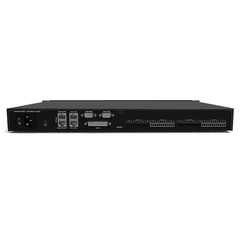


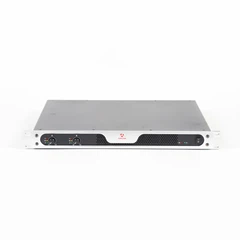



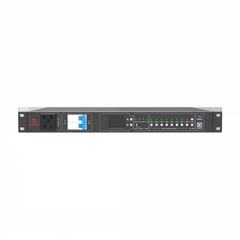
The main components of an audio processor include an input section, an output section, and an internal processing module
Input section
The input section mainly includes the following functions:
Input Gain Control: Regulates the input level of the processor, typically in the range of -6dB to +dB.
Input EQ: Usually 4-8 full parametric EQ are used, which can adjust the frequency, bandwidth or Q value, and gain.
Input Delay: Delay processing of the input signal, which is suitable for the overall delay adjustment of the auxiliary speaker.
Input Polarity Transition: Adjusts the polarity phase of the signal.
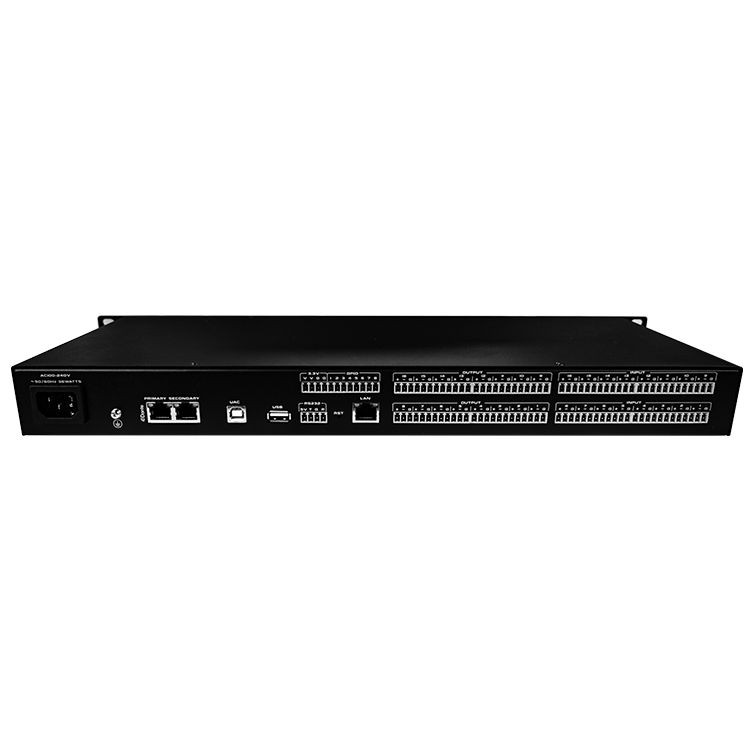
Output section
The output part mainly includes the following functions:
Signal Input Assignment Routing: Select which input channel's signal is to be output.
High-pass filter (HPF) and low-pass filter (LPF): filter high-frequency and low-frequency signals respectively.
Equalizer (EQ): Adjusts the frequency response of the output signal.
Polarity Conversion: Adjust the polarity of the output signal.
Gain Control: Adjusts the level of the output signal.
Delay: Delay the output signal.
Limiter start-up level: Controls the signal strength to prevent overload.
Internal processing module
Internal processing modules typically include the following chips and functions:
Op amps: e.g. OPA 604, for preamp amplification.
ADC chips, such as PCM40, convert analog signals into digital signals.
DSP chips: such as ADI940, responsible for the EQ curve, noise gate, compression and other adjustment of the input channel.
FPGA chip: control the operation and parameter adjustment of the DSP chip.
These components work together to optimize the processing and transmission of audio signals by enabling the audio processor to perform functions such as gain control, equalization adjustment, delay processing, polarity conversion, routing, filter setting, and more.


