








The Smart Fire Emergency Command Center serves as the "central command hub" of modern firefighting. It deeply integrates advanced technologies such as the Internet of Things, big data, and artificial intelligence to enable real-time fire risk monitoring, intelligent early warning, and accurate analysis. During emergency response, the center can quickly dispatch optimal forces, plan rescue routes, dynamically push disaster information, and facilitate visualized, coordinated command between frontlines and headquarters. This significantly enhances the scientific precision, efficiency, and safety of firefighting and rescue operations, ultimately strengthening urban fire safety defenses.

Beijing Fire and Rescue Brigade Training and Operational Support Division
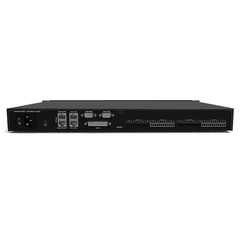
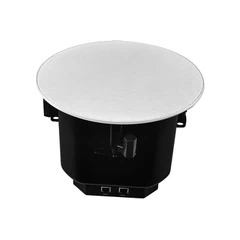
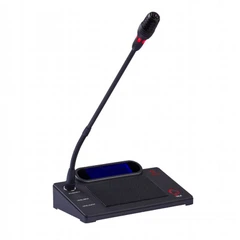
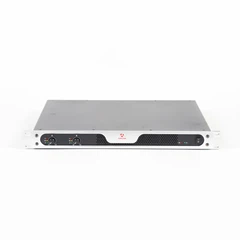
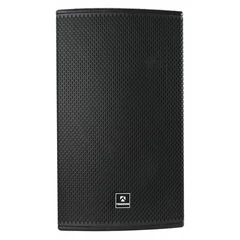
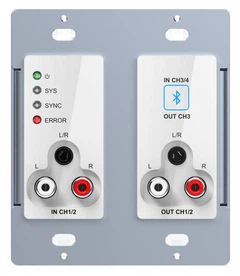
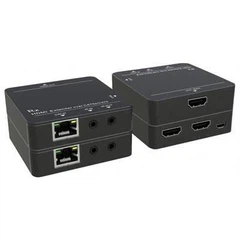
The overall project primarily includes: a wireless conference discussion system, conference audio reinforcement system, video matrix switching system, remote video conferencing system, video display system, and integrated audiovisual cabling system. Designed to meet the user's requirements, it not only fulfills the daily meeting and training needs of the Beijing Fire Brigade training base but also undertakes the critical responsibility of fire safety command and dispatch.

Qiannan Prefecture Fire and Rescue Brigade Command Center
As the firefighting vanguard of Qiannan Prefecture, the Qiannan Prefecture Fire and Rescue Brigade undertakes significant social responsibilities. With the completion of the new office building, there was an urgent need to build and upgrade to a smart fire command center.
Solution: The system utilizes Dongwei's MIDIS system to achieve visual dispatch and display on large screens for various functions. This integrated platform includes the practical command platform, call receiving and dispatch system, public security surveillance video feed, camp monitoring, daily incident and law enforcement information, coordinated unit data, public opinion monitoring, GPS vehicle management, a dedicated dispatch console, communication with individual soldiers and deployable field cameras, vehicle-mounted 4G video transmission, satellite video transmission, pre-planned response information, map data, key disposal procedures, and video conference signals.


Dali Prefecture Forest Fire Command Center
The upgrade and construction project for the Dali Prefecture Forest Fire Command Center was carried out in June 2021. The project focused on enhancing the daily operations, video conferencing, and emergency command and dispatch capabilities of the fire prevention and suppression department. The primary construction components included the following systems:
- LED High-Definition Large Screen Display System
- LCD Liquid Crystal Splicing Display System
- Digital Conference Audio System
- Visualized Distributed Integrated Control System
- Supporting facilities such as graphics workstations and the computer room.

Daya Bay Petrochemical Industrial Park Fire Emergency Command Center
The Daya Bay Petrochemical Industrial Park is a key petrochemical base developed in Guangdong Province. Ensuring production safety within the park and protecting the lives and assets of the people are of paramount importance. Dongwei's "Intelligent Emergency Solution," already successfully deployed in multiple provincial Emergency Department command centers, reflects the company's continuous dedication to the emergency response sector. This collaboration with the Daya Bay Petrochemical Industrial Park once again demonstrates the capability and reliability of the Dongwei solution.

The smart fire industry is undergoing a profound transformation, shifting from a traditional "reactive response" model to one characterized by "intelligent early warning and proactive prevention." This transition is fundamentally driven by the deep integration of cutting-edge technologies such as the Internet of Things (IoT), big data, artificial intelligence (AI), and 5G. By establishing integrated platforms for "perception, analysis, command, and handling," the industry enables precise risk assessment, efficient visualized disaster management, and intelligent resource dispatch. This evolution represents not merely a technological upgrade but a fundamental paradigm shift in fire safety governance, ultimately aiming to build a comprehensive, always-responsive, and multi-dimensional prevention and control system that enhances public safety and provides core support for societal security.


