





Is a Dante Audio Processor Easy to Operate?
Where the work actually happens - in the network, in the software, and in the room.

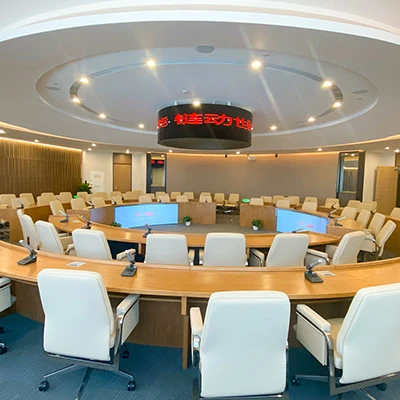
Figure 1 · In a well-commissioned room, the audio system is rarely noticed. (Illustrative image)
Walk into a well-run conference room and the audio system is the last thing anyone notices. Microphones open cleanly, remote participants hear the room evenly, and nobody reaches for a mixing console halfway through a meeting. That invisibility is the result of a fair amount of engineering, which is why "is it easy to operate?" is often the first question asked about a Dante audio processor. The honest answer is that ease of operation is not a property of the protocol. It is a property of how the processor is designed, how the room was commissioned, and what a technician is expected to do on an ordinary working day.
What Dante changed, and what it didn't
Dante carries multiple channels of uncompressed audio over standard Ethernet, replacing bundles of point-to-point analogue cable between microphones, processors and amplifiers with a managed network. For installers the trade is familiar: less copper, flexible routing, and signal paths that can be changed in software rather than re-patched at the rack. What it also introduced was network work - addressing, clocking, switching, routing - that used to sit outside the audio engineer's remit. Early deployments earned a reputation for being fiddly for exactly that reason, and teams without a network specialist on staff were right to be cautious. Dante itself does not make a system simple or complicated. The design of the processor, and the software placed in front of it, does.

Figure 2 · Dante replaces point-to-point cable runs with a managed audio network. (Illustrative diagram)
Where "easy" is actually won
Commissioning and daily operation are different jobs. A system may need careful setup once, and then be touched only for level trims, source changes and scene recalls. It is the second job that a well-designed processor compresses.
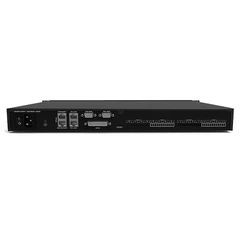
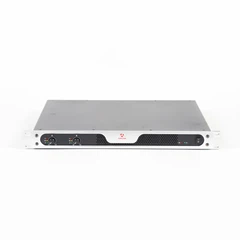
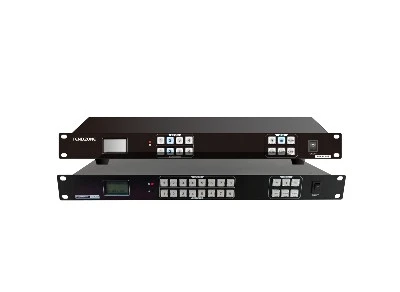
TENDZONE's Agate D0808 and Agate D1616 are built around a browser-based control platform: a PC or mobile device on the network opens the interface, adjusts parameters and reaches the documentation without a dedicated control application. The interface is graphical, switches between Chinese and English, can be customised, and runs across Windows, HarmonyOS, KylinOS, Android and iOS. Fifty presets are stored on the unit, and input and output fader limits can be set so a tuned system stays inside its intended range even when someone else is driving. A front-panel display shows device name, IP address, levels, mute state and the active scene - useful when the question is simply "which preset is running".
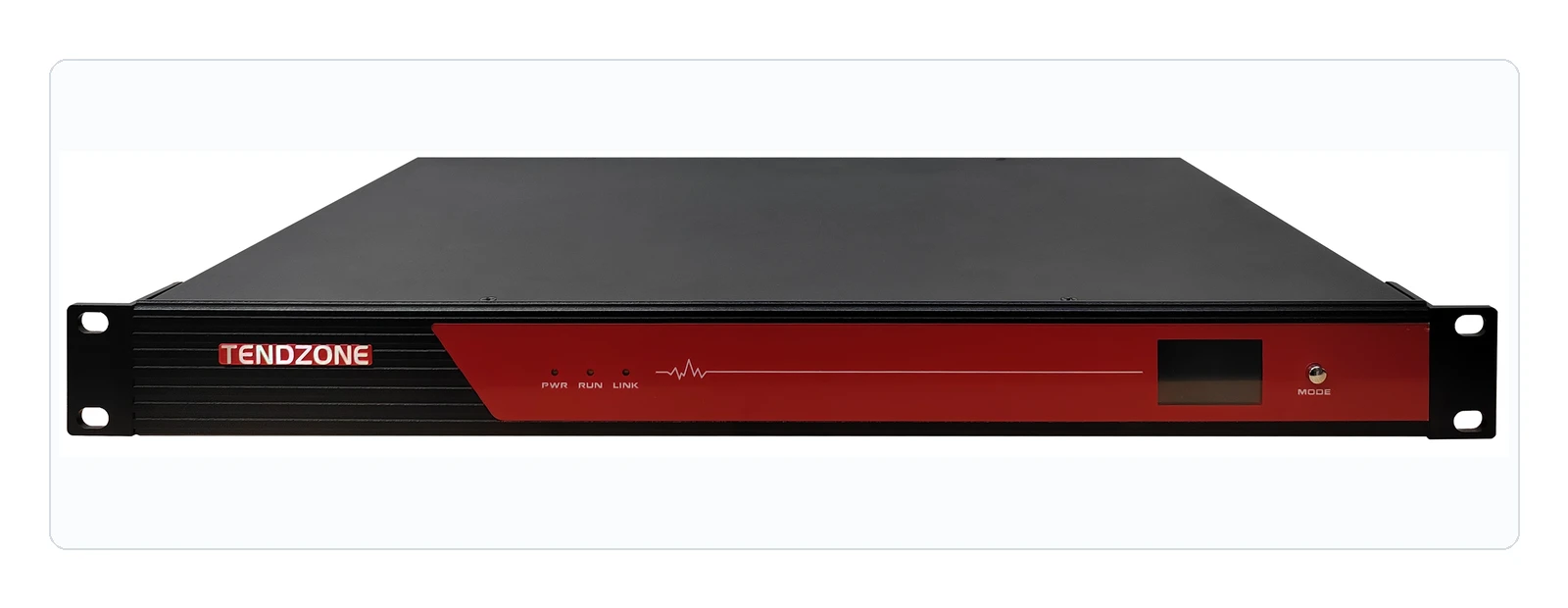
Figure 3 · Agate series: browser-based control with an on-device status display. (Official product image)
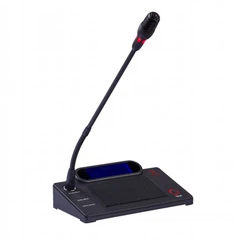
Some of the most repetitive adjustments are handled in the signal chain rather than at the console. AI-based noise reduction targets steady and transient sounds such as keyboards, chair movement, doors and passing traffic, while AI-AGC brings speech towards a set target instead of asking an operator to chase a speaker who moves away from the microphone. Automatic mixing, per-channel feedback suppression and AEC address the familiar problems of open microphones in rooms with reinforcement. None of this removes the need for commissioning; it reduces the number of small decisions made under time pressure.

Figure 4 · Routine adjustments should be visible, not buried. (Illustrative schematic - not a product screenshot)
Choosing by the room, not by the spec sheet
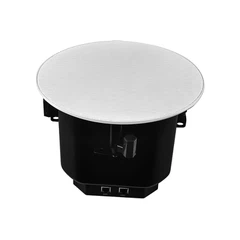
Sizing is the other half of the answer. An 8-in/8-out unit such as the Agate D0808 fits the channel count of a single meeting room; the Agate D1616 doubles that to 16 inputs and 16 outputs. Both carry 16×16 Dante channels with network redundancy, and the series is specified for meeting rooms, multi-function halls, control rooms and courtroom environments.

Figure 5 · Channel count tends to follow the room, not the ambition of the specification. (Illustrative diagram)
For sites that need more channels across several spaces, the RUBY Txx series - T16, T20, T24 and T32 - provides 32 Dante transmit and 32 Dante receive channels, with local analogue I/O varying by model at 8×8, 12×8, 16×8 and 16×16. A single RUBY application manages multiple units, control works across subnets, and RTP audio streams can be sent and received beyond one LAN. Shared AEC processing is available on every input, while automatic mixing, NOMA, ducking and AFC handle the same class of room problems at larger scale. RUBY is positioned for mid-to-large venues where channel count and distributed control, rather than raw processing power, are the constraint.
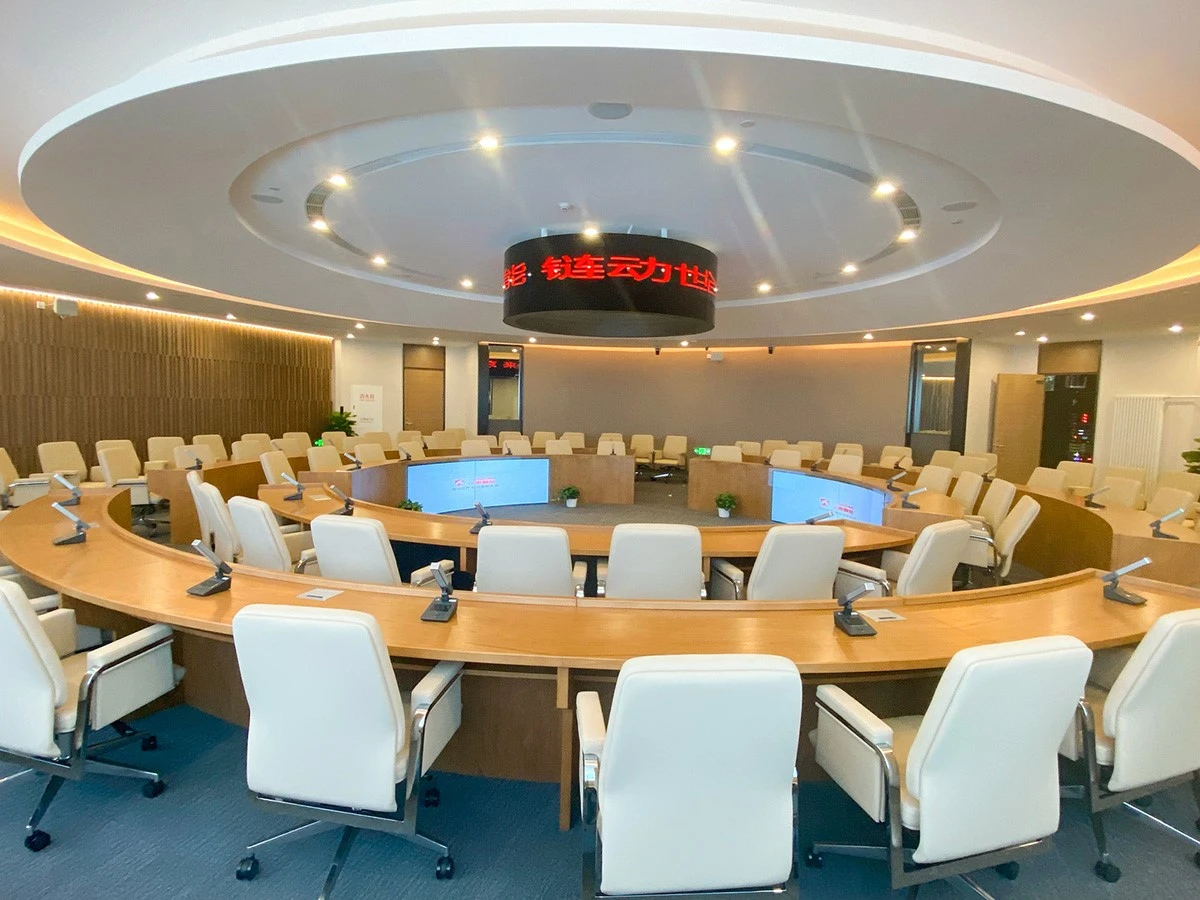
Figure 6 · Meeting spaces vary in scale; the operational model should not.
Integration, and the honest learning curve
A processor rarely arrives in an empty rack. Open control protocols - UDP and RS-232 on the Agate series, network and RS-232 on RUBY - together with camera tracking, configurable GPIO and third-party control support are what let a new unit sit alongside existing mixers, microphones, speakers and room control rather than replace them. Dante's adoption across professional audio brands is part of the same story: interoperability is usually a configuration task, not a forklift upgrade.
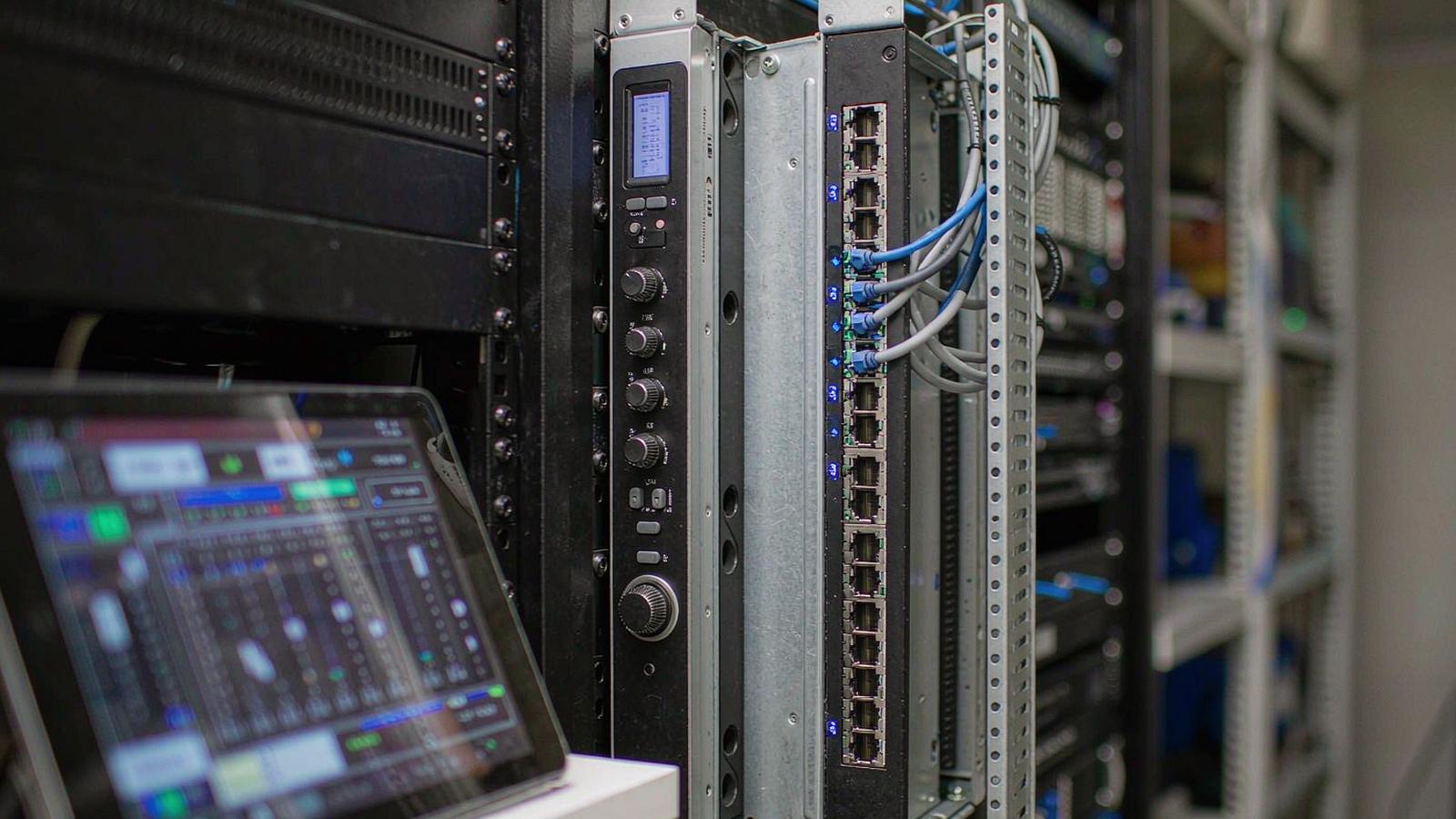
Figure 7 · Open control protocols let a processor join an existing rack rather than replace it. (Illustrative image)
There is still a learning curve. Gain structure, AEC references, feedback suppression and Mix-Minus zoning are not things a first-time user absorbs in an afternoon, and larger systems legitimately need more careful network planning. What has changed is where that expertise is required. It belongs at commissioning and in the occasional system change; it no longer has to be present for every meeting.
So the useful version of the question is not whether a Dante audio processor is easy to operate in general, but which decisions the operator is still being asked to make. If the answer is "route a signal, recall a scene, trim a level", the work fits comfortably into a normal working day. If it is "re-build the gain structure every time the room changes", the problem is the system design, not the protocol. That is worth establishing before a unit is chosen - and it is a more reliable basis for a specification than a feature list.
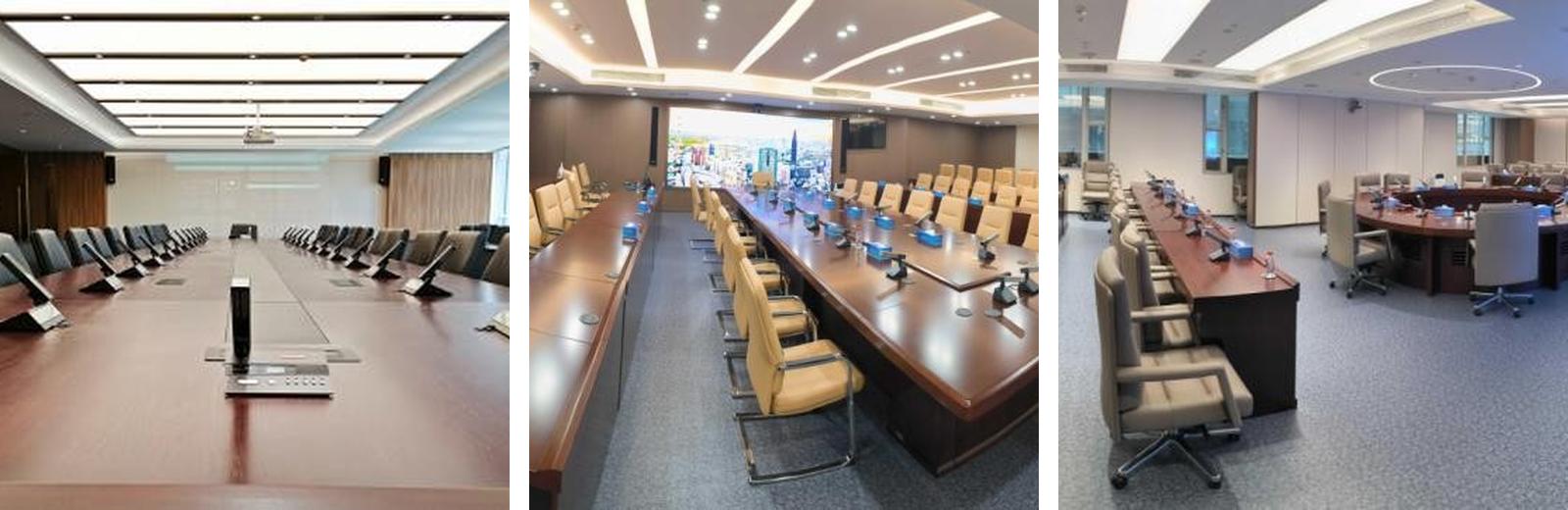
Figure 8 · From a roundtable room to a larger multi-function space.