


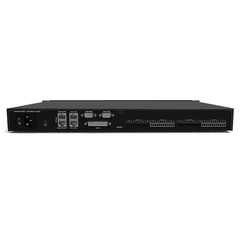
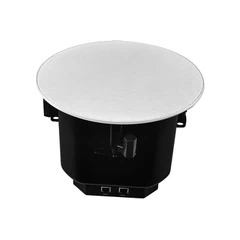
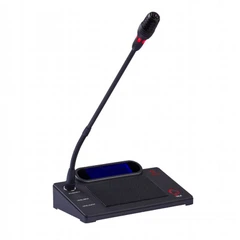


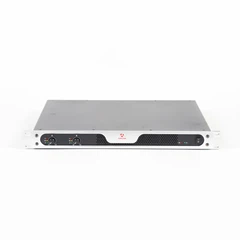
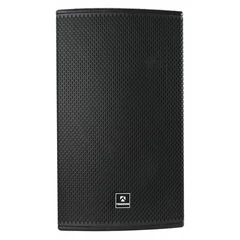
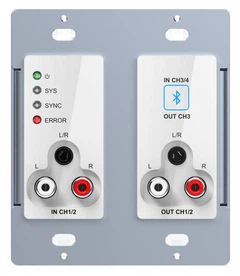

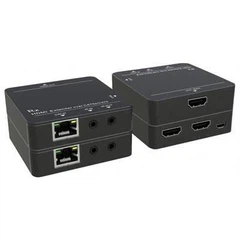


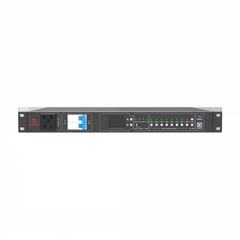
The technical parameters of the audio processor mainly include the following aspects:
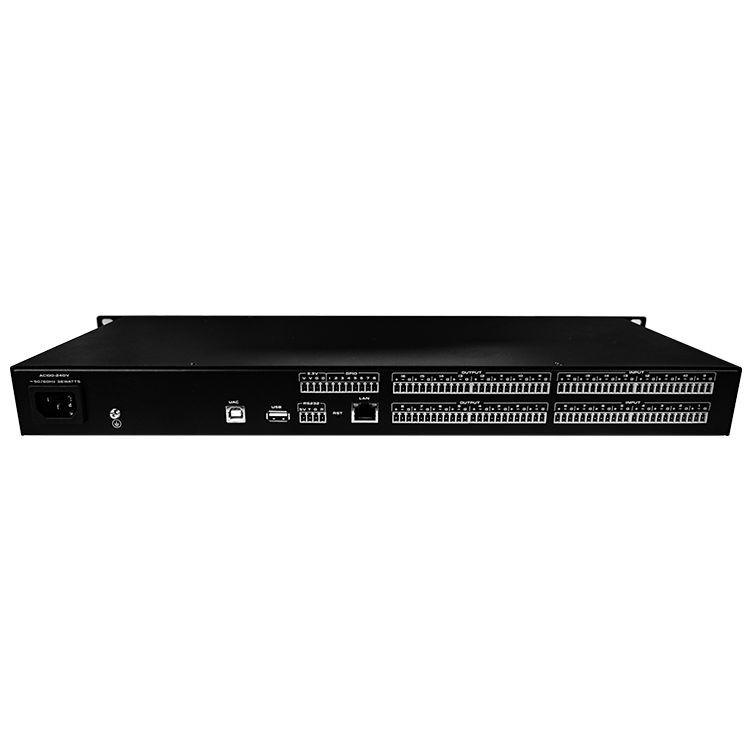
Number of input and output channels: Audio processors usually have multiple input and output channels, such as 8 in and out, 8 in and 8 out, etc. These channel counts determine how many audio signals the processor is capable of processing at the same time.
Gain control: The input gain is used to control the input level of the processor, and the range that can be adjusted is generally around decibels. Gain control ensures that the strength of the signal is within the appropriate range and avoids overloading or weakening.
Equalizer: Most digital processors use full parametric equalization, which usually has -8 parameters, including frequency, bandwidth (Q value), and gain. The adjustment range and effect of the bandwidth (Q value) can be adjusted by the OCT value, usually OCT=0.
Delay: The input delay function is used to adjust the delay time of the signal, which is suitable for scenarios that need to synchronize multiple speakers or processors.
CROSSOVERS: CROSSOVERS ARE USED TO DISTRIBUTE AUDIO SIGNALS TO DIFFERENT FREQUENCY RANGES, USUALLY WITH SLOPES RANGING FROM 6DB/OCT TO 8DB/OCT.
Noise gates, limiters: These features are used to reduce background noise and protect the speaker from overload.
SAMPLING RATE AND QUANTIZATION BITS: THE SAMPLING FREQUENCY IS USUALLY 8KHZ, AND THE QUANTIZATION BITS ARE GENERALLY BITS, WHICH DETERMINES THE RESOLUTION AND QUALITY OF THE AUDIO.
Dynamic Range and Signal-to-Noise Ratio: Dynamic range and signal-to-noise ratio are important indicators to measure the performance of an audio processor, the larger the dynamic range, the higher the signal-to-noise ratio, and the better the audio quality.
Power consumption and power supply: The power consumption is usually within 5W, and the power supply can be AC0V/0V with a frequency of 50/60Hz.
Size and weight: The size and weight of the product vary from model to model, but are generally compact for easy installation and use.
Together, these technical parameters determine the performance and application scenarios of the audio processor, and users need to match them according to their specific needs when choosing.


