


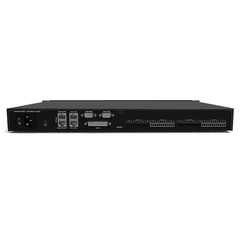
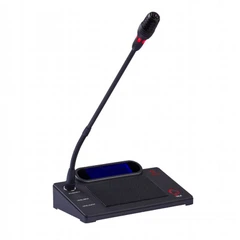





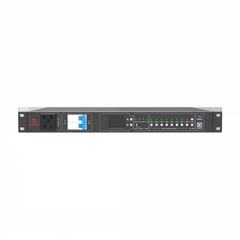
The main criteria for judging the quality of an audio processor include sound quality, ease of operation, durability, and brand reputation
Sound quality: A good audio processor should be able to deliver high-fidelity sound quality, and the clarity, detail reproduction, and dynamic range of the audio should be as close as possible to the original recording. This depends on the digital signal processing (DSP) technology used, audio resolution, and noise immunity.
Ease of operation : For non-professional users, it is very important to operate. The audio processor's interface should be simple and intuitive, and the adjustment knobs and buttons should be properly designed. Modern audio processors often feature LCD displays, Bluetooth control, and remote control features that enhance the user experience.
Durability and brand reputation : A good brand usually offers more stable performance and a longer service life, and it does a better job in after-sales service. Choosing a well-known brand can ensure better quality and after-sales service.
Functions and application scenarios of different types of audio processors
Simple loudspeaker processors: These processors usually come with fixed processing modules, such as parametric EQ, crossover, delay, mixing, etc. They are suitable for connecting mixers to amplifiers, replacing analogue peripherals for signal processing.
Multi-function digital audio processors: These processors typically have more input channels, are phantom-powered, and can be connected directly to the conference gooseneck microphone. They are more versatile, and some also have drag-and-drop programmable processing modules that can be connected to a computer via Ethernet for programming and online real-time control.
Digital audio processor with network audio transmission function: In addition to the basic audio processing function, this type of processor also adds the audio transmission function of the network, which is suitable for scenarios that require network control.


