


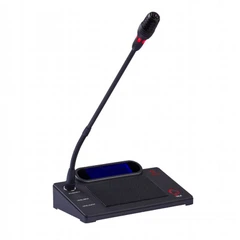





The instructions for using the microphone mainly include the following aspects:
Connectivity :
Dynamic microphones: Typically connected using an XLR connector, they are suitable for live performances and instrument recordings.
Condenser microphones: Require a power supply, usually connected using an XLR connector, suitable for studio use.
Lavalier microphone: Compact and easy to clip on clothing, it is often used for interviews and presentations.
USB microphone : connected to the computer through the USB interface, suitable for home recording and live streaming.
Tips and Tricks :
Keep an appropriate distance: Keep an appropriate distance from the microphone, usually 5-0 cm, too close may cause audio distortion, too far away and the sound may not be captured.
Avoid occlusion: During use, avoid covering the microphone with your hands or other objects to avoid obstructing sound transmission.
Adjust the volume: Adjust the volume according to the amount of ambient noise to ensure that the other party can hear you clearly.
Choose the right interface: Choose the right interface according to the type of microphone to connect to ensure that the signal is not distorted.
Features of different types of microphones:
Dynamic microphone: rugged, suitable for high-volume environments, strong anti-interference, but low sensitivity.
Condenser microphones: High sensitivity and excellent frequency response characteristics, suitable for recording vocals and delicate instrument sounds, but requiring an external power supply.
Lavalier microphone: Compact in size, easy to carry and use, usually used for interviews and presentations.
USB Microphone : Easy to use, plug and play, suitable for home recording and live streaming.
By understanding these instructions and tips, you can better use and maintain the microphone to ensure clear and stable sound quality.


