


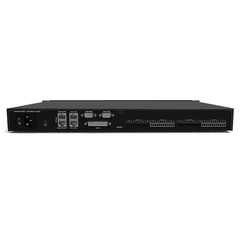
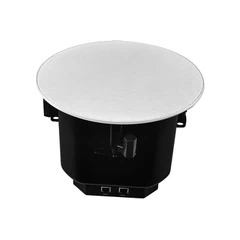





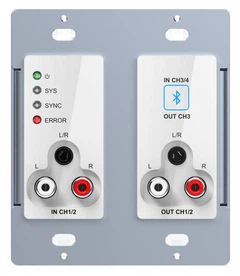

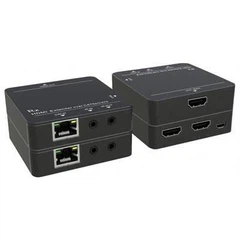



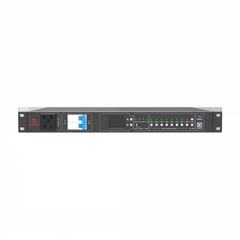
Network audio distribution refers to the process of transmitting and making audio content available to users over a network. This includes storing audio files on a server and transmitting them to users over the internet, enabling users to access and play this audio content anytime, anywhere. Network audio distribution relies primarily on a network audio server that stores, transmits, and manages audio files, supports a variety of audio formats, and provides streaming technology for instant playback.

How network audio distribution works
How network audio distribution works is mainly based on the following steps:
Storage: Audio files are stored on the hard disk or other storage device of a network audio server.
Transmission: When a user requests an audio file, the server transmits the audio file to the user over the network. This is often achieved using streaming technology, which ensures that users can play audio content instantaneously without having to wait for the entire file to download.
Playback management: The network audio server provides a variety of playback management functions, such as creating playlists, setting loops, skipping ads, etc., to improve the user experience.
Application scenarios for network audio distribution
Network audio distribution is widely used in a variety of scenarios, including:
Online music platforms, such as Spotify, accelerate the transmission of audio streams through CDNs to provide a smoother music playback experience.
Podcast platform: Accelerate the download and playback of podcast audio files and improve user experience.
Voice live broadcast platform: such as online education, voice chat room, etc., to achieve low-latency, high-quality voice transmission through CDN.


